DEPAVE
Haga click aquí para ver la encuesta en español Clique no idioma de sua escolha para responder à pesquisa português Klike la a pou w wè sondaj la an Kreyòl Ayisyen 点击此处查看简体中文版调查问卷 Nhấp vào đây để xem bản khảo sát bằng tiếng Việt انقر هنا لعرض الاستطلاع باللغة العربية
Haga click aquí para ver la encuesta en español Clique no idioma de sua escolha para responder à pesquisa português Klike la a pou w wè sondaj la an Kreyòl Ayisyen 点击此处查看简体中文版调查问卷 Nhấp vào đây để xem bản khảo sát bằng tiếng Việt انقر هنا لعرض الاستطلاع باللغة العربية
+ PLANT
NATIVE
A COLLABORATION BETWEEN THE CITIES OF EVERETT, MALDEN AND MEDFORD TO REDUCE PAVED AREAS AND INCREASE URBAN GREEN SPACE.
One municipal site in each city will be redesigned with public input to be cooler, greener and more resilient. Join us at our upcoming Community Forums to participate in the design process!
Hands-on workshops will teach residents how to depave and garden with native plants. Residents can then depave their own properties by borrowing free tools from each city’s Depaving Toolshed.
Led by Landscape Interactions in collaboration with Green & Open Somerville, Grow Native Massachusetts, Clean Up Everett, Malden Safe Streets and Trees Medford, this project is funded by an MVP Action Grant from the Executive Office of Energy and Environmental Affairs.
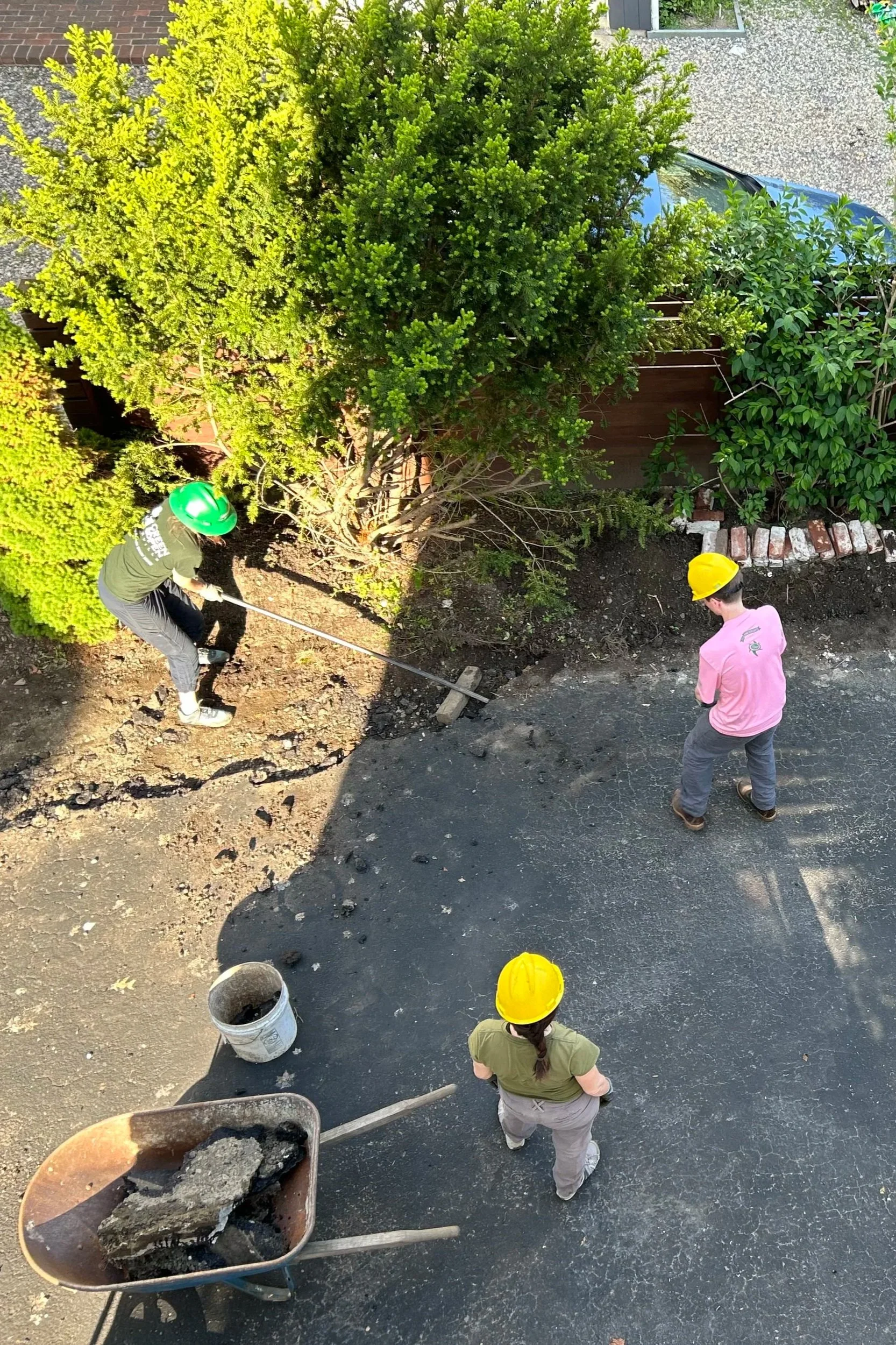
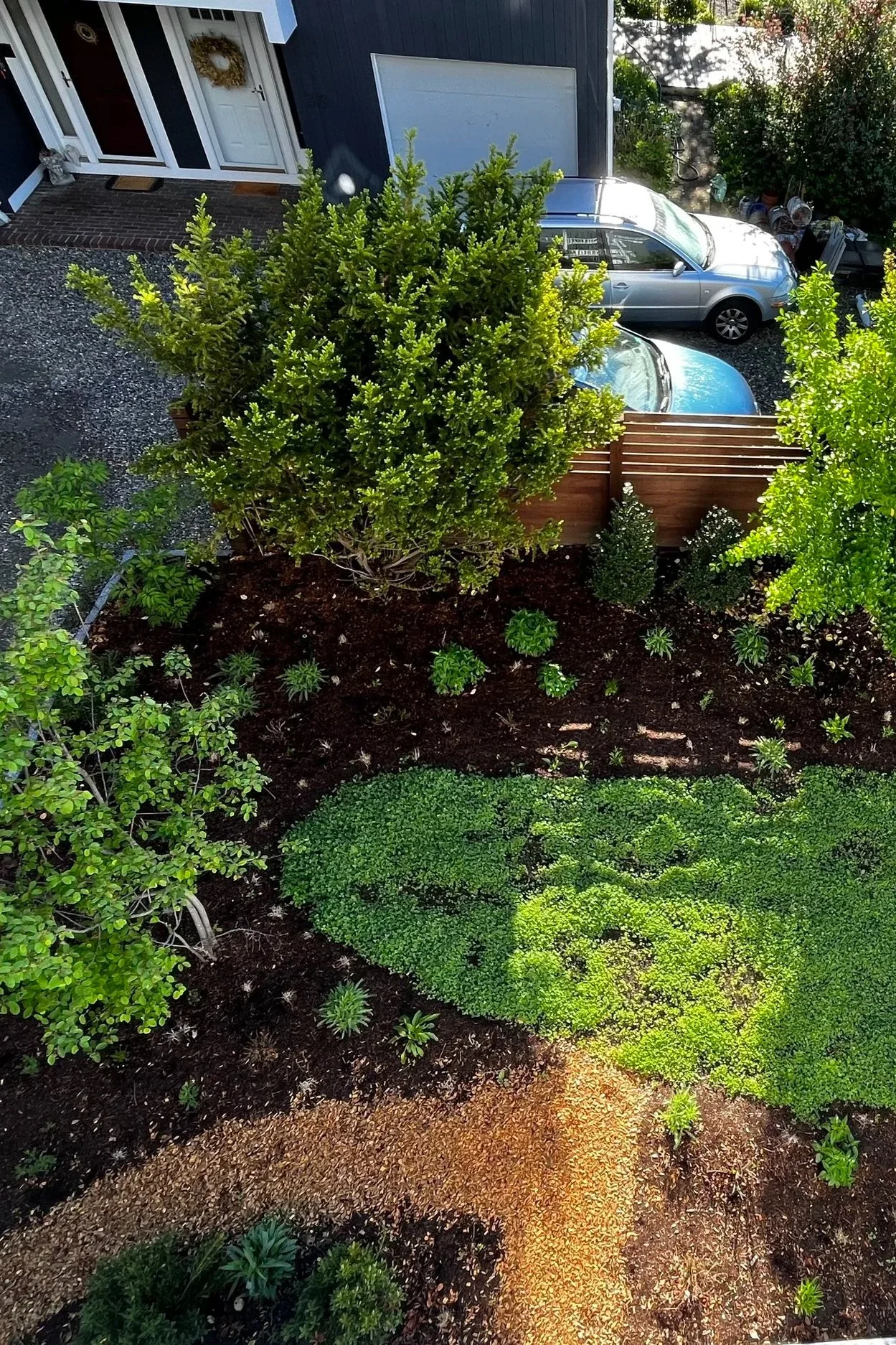
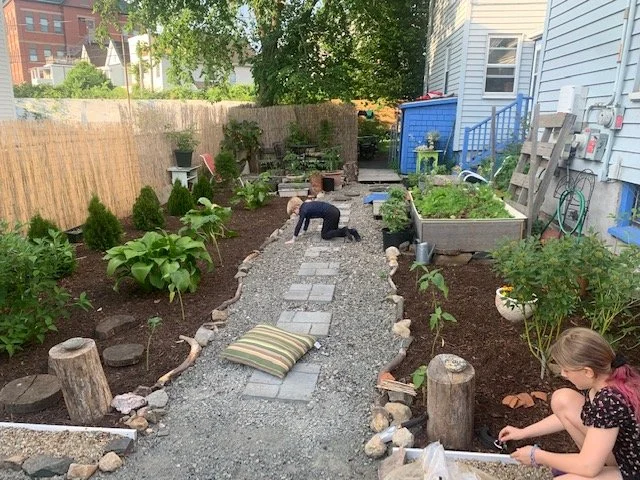
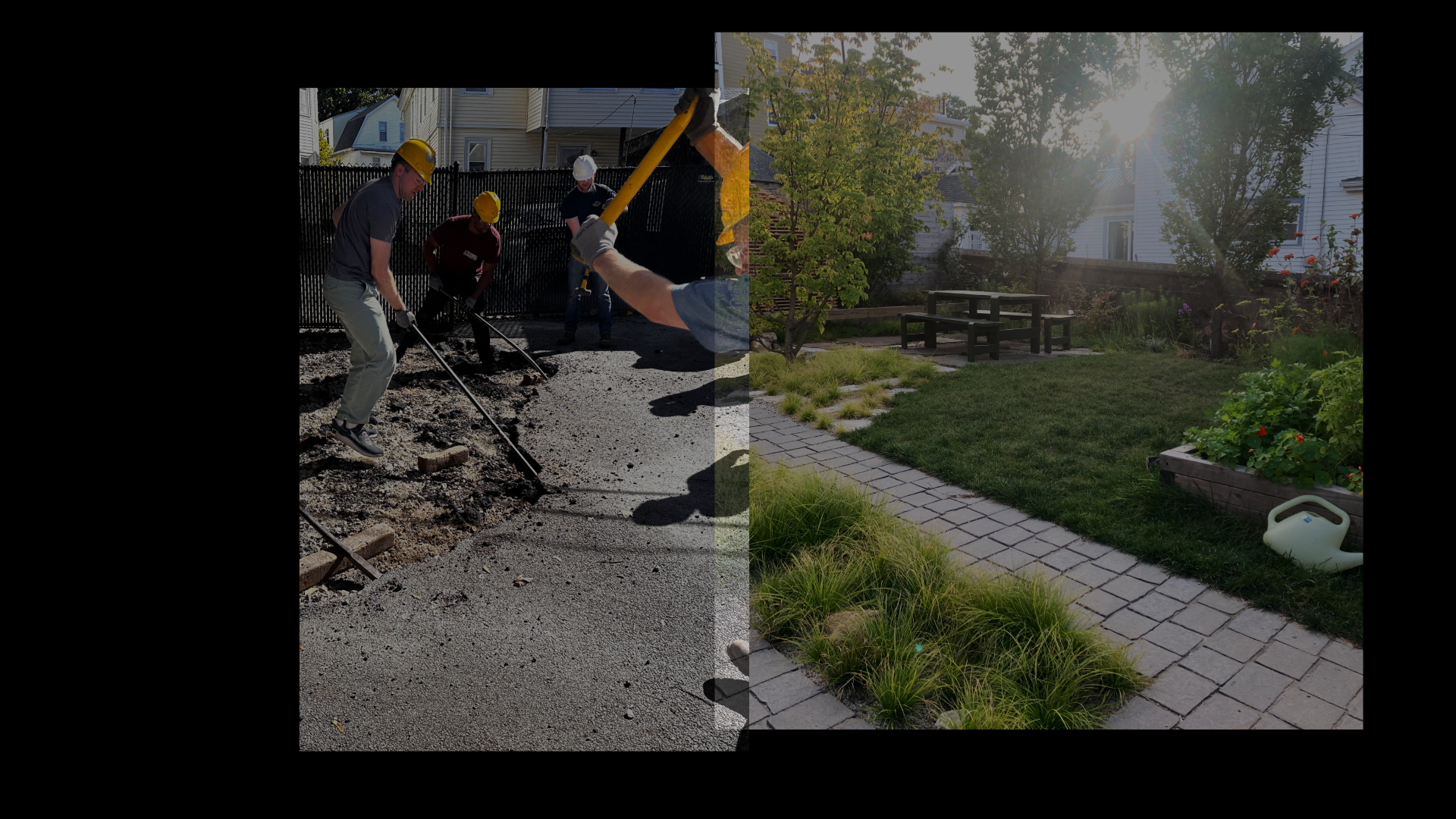
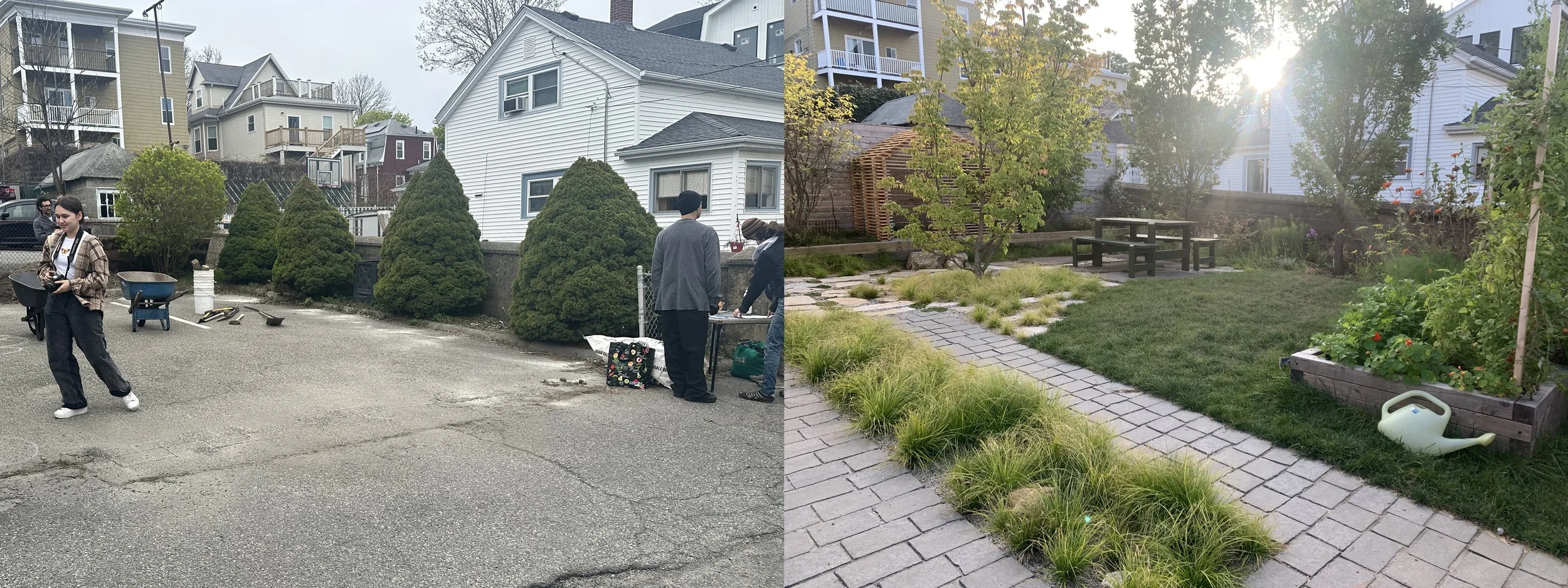
After
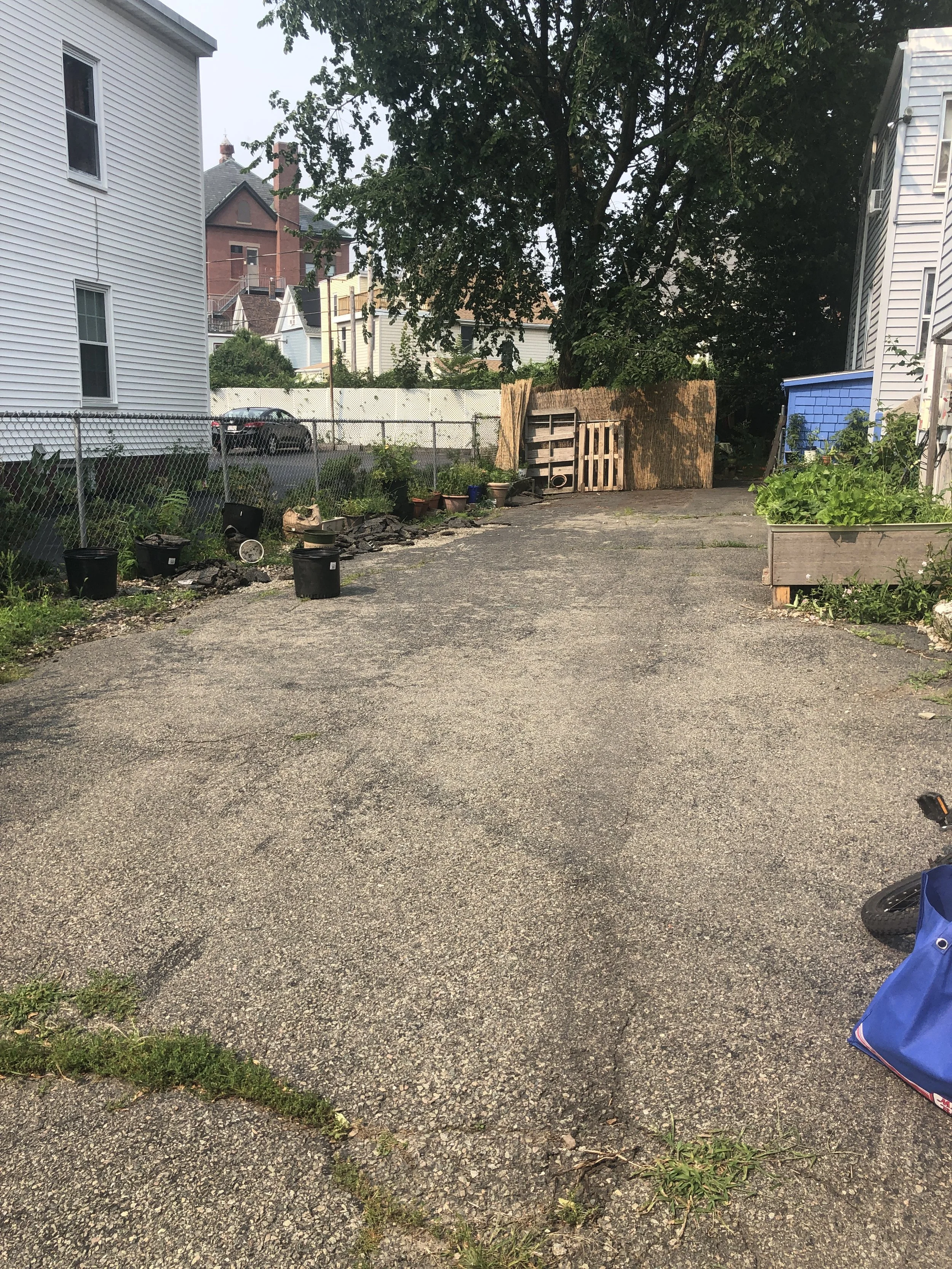
Before
WHAT IS DEPAVING?
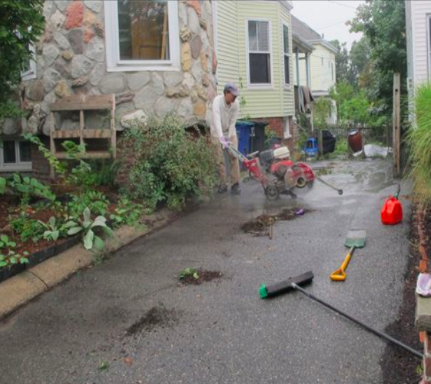
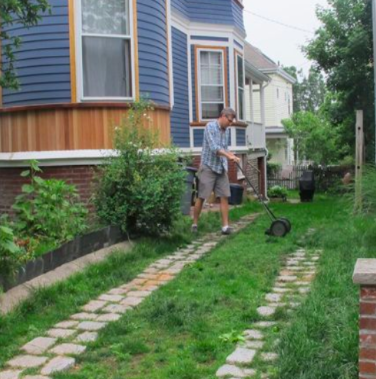
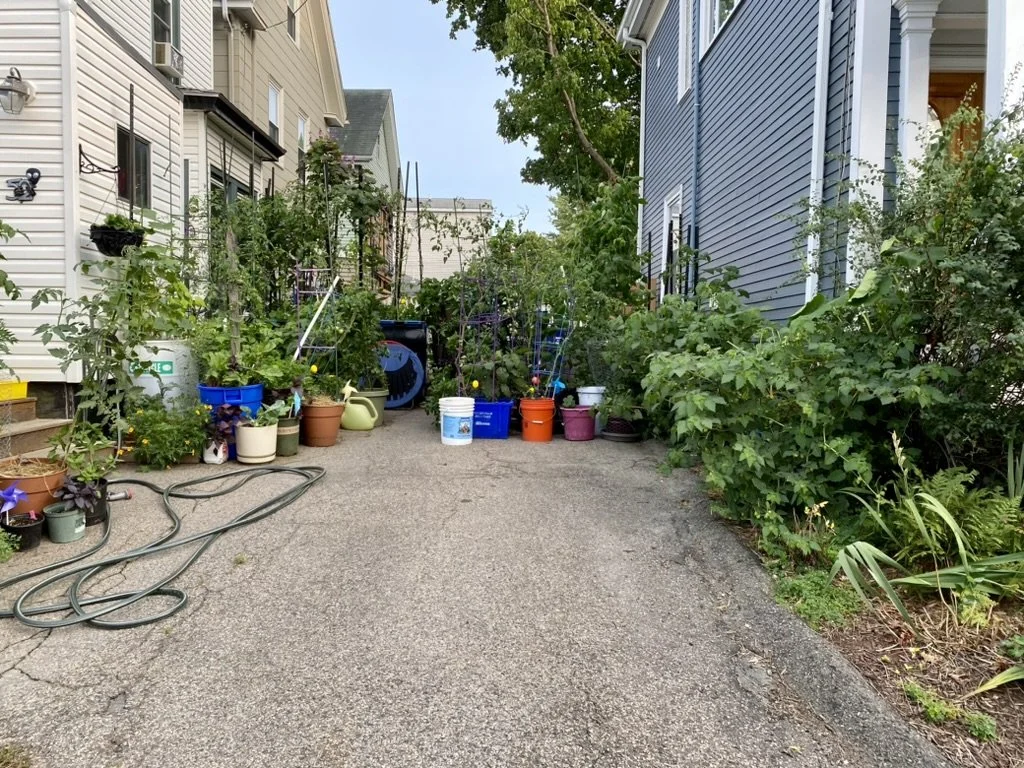
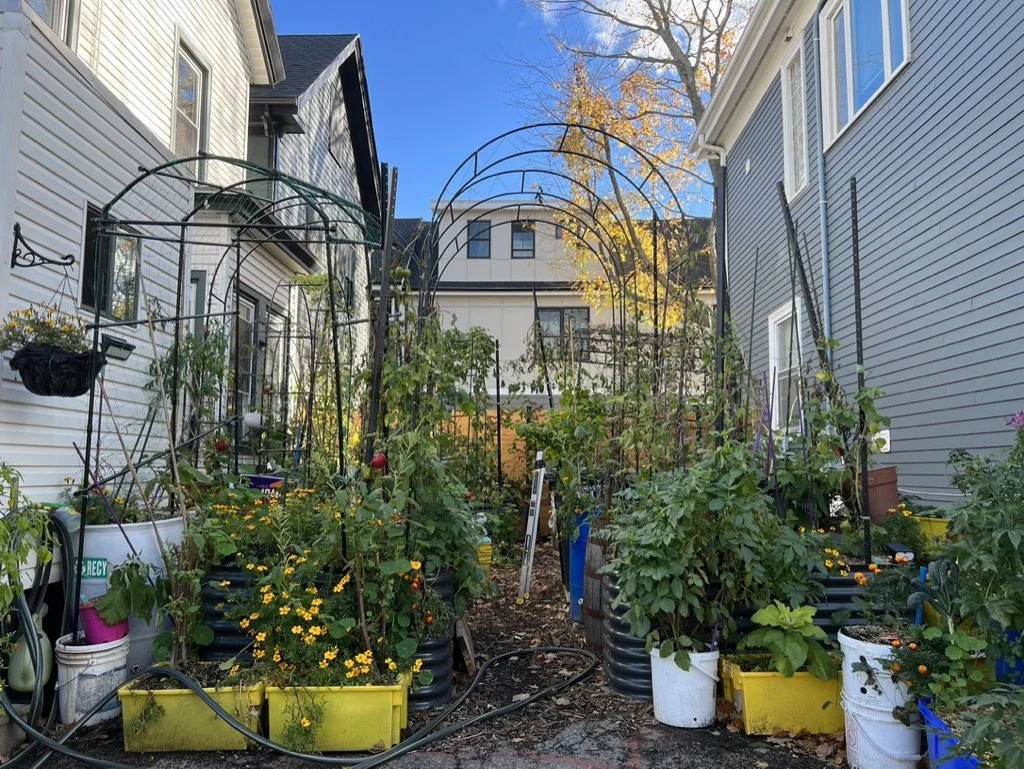
Depaving is the process of removing unused or underutilized asphalt and pavement — from driveways, parking lots, schoolyards or street segments — using tools like sledgehammers and pry bars. The broken pavement is cleared away for recycling, opening up the compacted earth for soil regeneration, stormwater infiltration and regreening with native plants. This helps mitigate urban heat islands and reduce flooding by replacing heat-trapping, impervious surfaces with shade-casting, biodiverse plantings to support pollinators, birds and other wildlife.
Key Benefits of Depaving
Stormwater Management: Allows rainwater to soak naturally into the ground instead of pooling or rushing into storm drains, reducing urban flooding and Combined Sewer Overflows (CSOs).
Pollution & Carbon Reduction: Prevents rainwater from washing automotive fluids, heavy metals and litter off pavement and straight into local creeks, rivers and drinking water sources. Native trees and other plantings absorb carbon and improve air quality. Improved soils sequester more carbon.
Urban Cooling: Combats the Urban Heat Island (UHI) effect, as dark asphalt traps and radiates heat while plants and shade trees cool and purify the air.
Biodiversity & Habitat: Restores living soil, creating new green spaces, food gardens and habitat for birds, bees and other wildlife.
Community & Aesthetics: Transforms neglected or oversized paved tracts into neighborhood gathering spaces, gardens and/or urban farms through volunteer-led depave parties.
Community design forums. Depaving workshops. Native plant stewardship. Help us spread the word.
Depave + Plant Native is a community-led initiative in the cities of Everett, Malden and Medford to improve climate resilience by removing pavement, designing and installing green spaces. There are many ways to get involved. Share your contact information and we’ll get in touch soon.

MAKE YOUR VOICE HEARD
Haga click aquí para ver la encuesta en español Clique no idioma de sua escolha para responder à pesquisa português Klike la a pou w wè sondaj la an Kreyòl Ayisyen 点击此处查看简体中文版调查问卷 Nhấp vào đây để xem bản khảo sát bằng tiếng Việt انقر هنا لعرض الاستطلاع باللغة العربية
Haga click aquí para ver la encuesta en español Clique no idioma de sua escolha para responder à pesquisa português Klike la a pou w wè sondaj la an Kreyòl Ayisyen 点击此处查看简体中文版调查问卷 Nhấp vào đây để xem bản khảo sát bằng tiếng Việt انقر هنا لعرض الاستطلاع باللغة العربية